

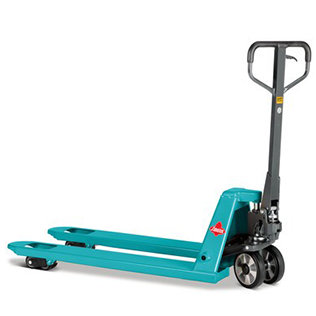
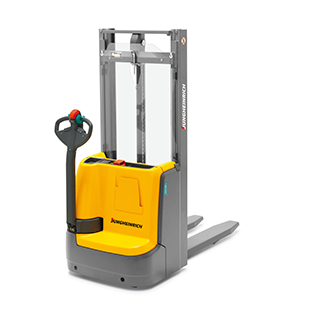
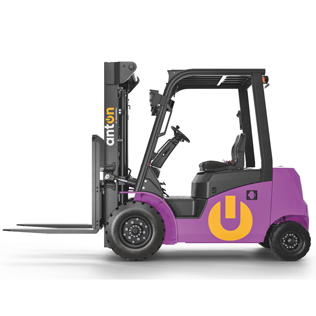
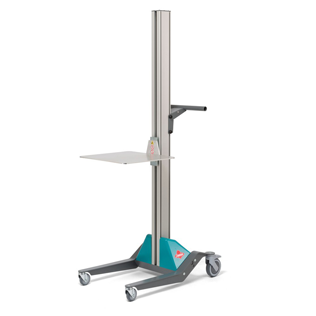
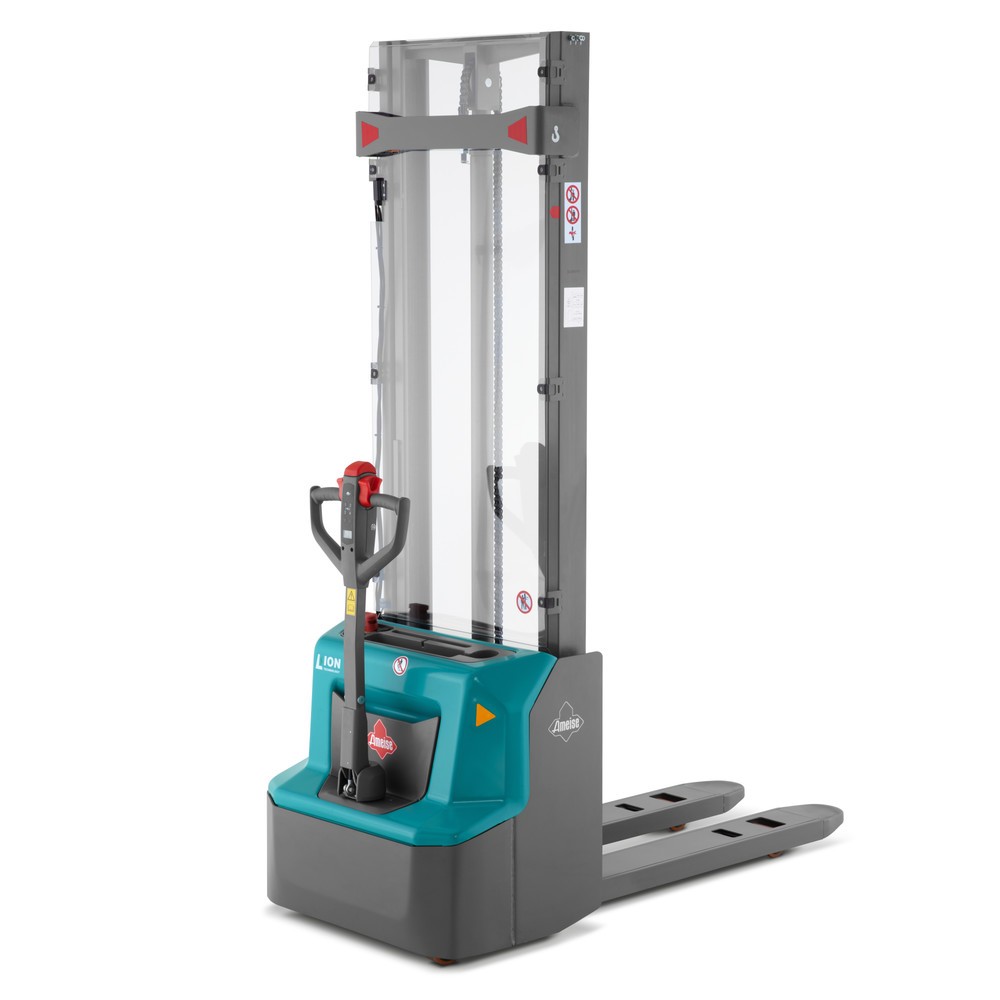
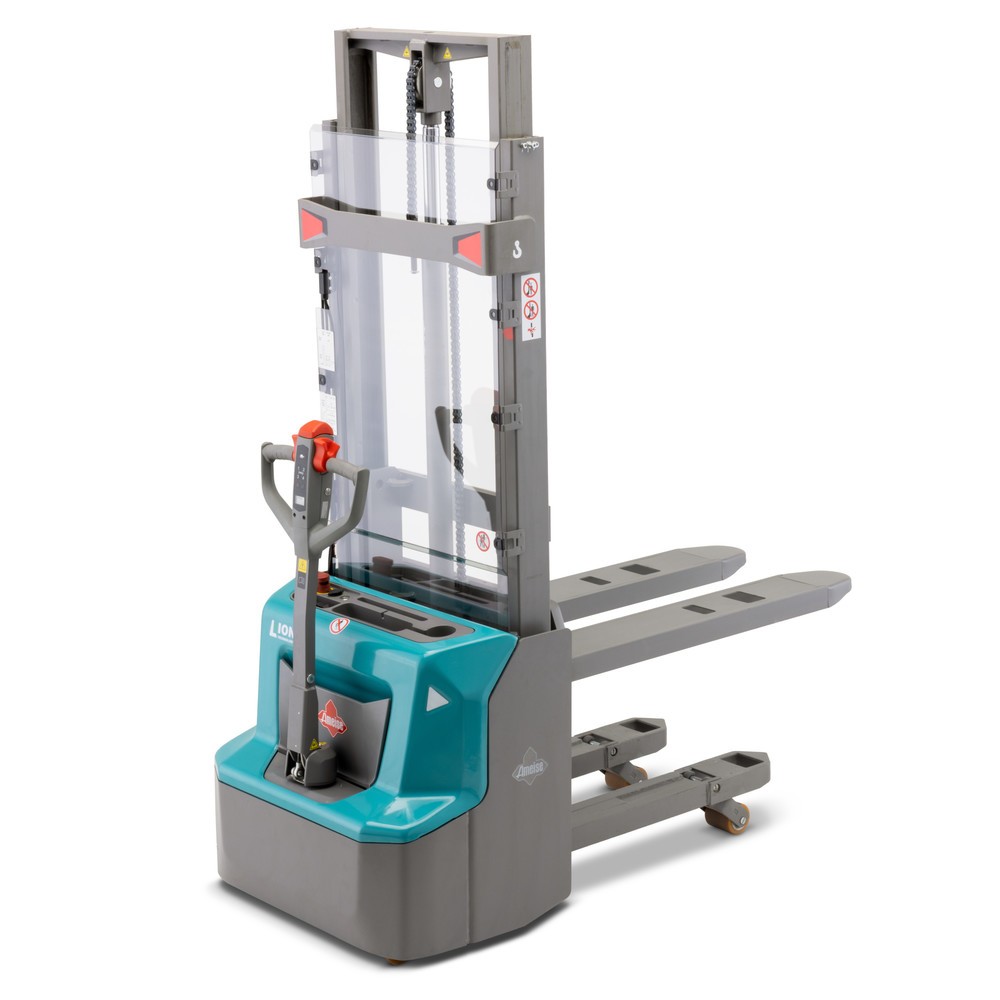
- 4 lift heights available (2600, 2900, 3200, 3600 mm)
- Maintenance-free lithium-ion battery
- On-board charger for flexible application
10 Working days
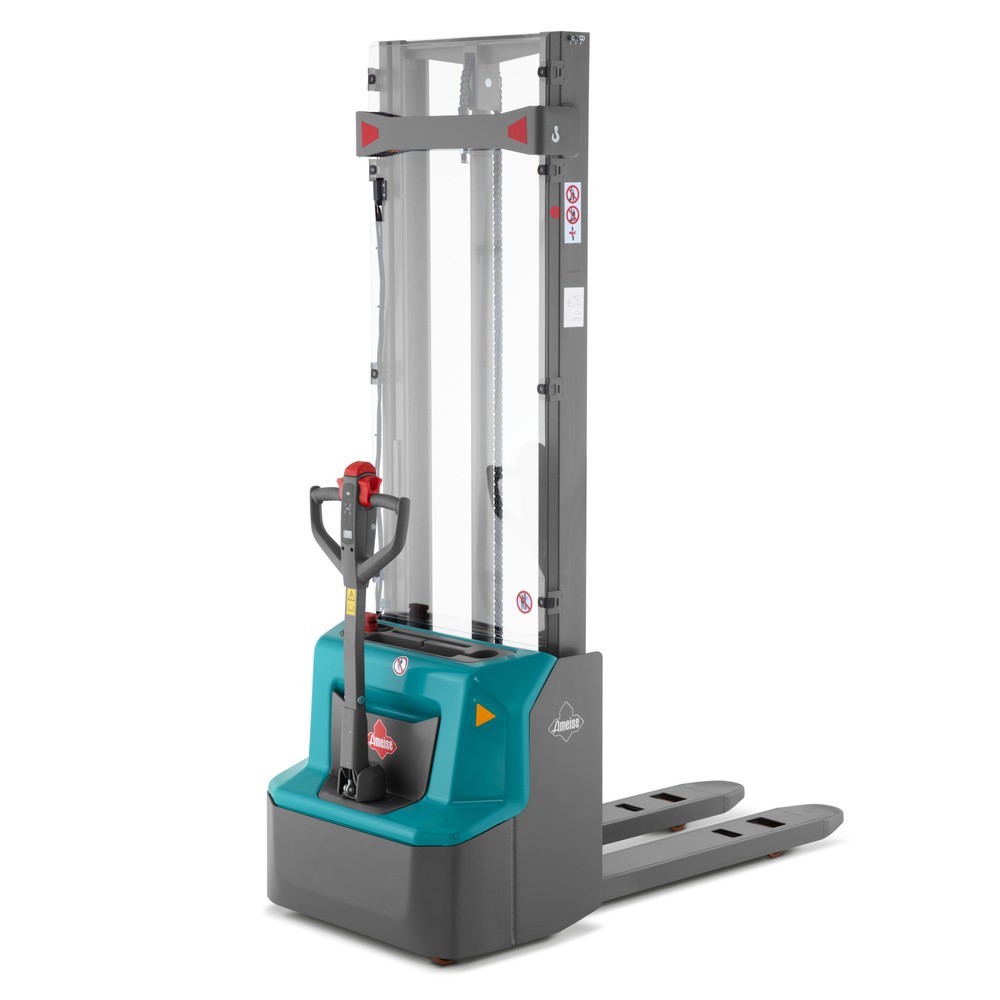
- Initial lift for increased ground clearance on loading ramps
- Maintenance-free lithium-ion battery
- On-board charger for flexible application
33 Working days
- 2 lift heights available (1600 and 2000 mm)
- Maintenance-free lithium-ion battery
- On-board charger for flexible application
10 Working days
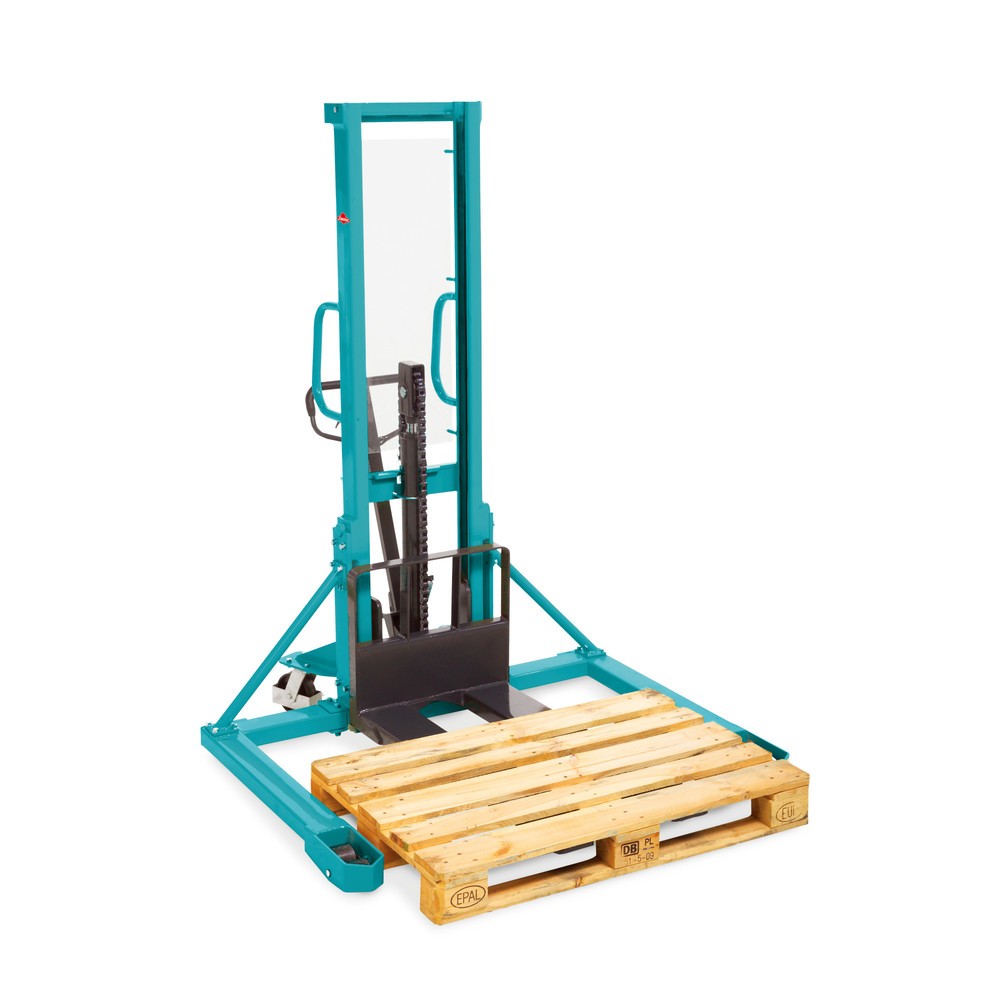
- Ideal for longitudinal and transverse lifting of Euro pallets and lifting closed-boarded UK pallets
- Robust quality with 1000 kg capacity
- Loads can be raised via the tiller or foot pedal
8 Working days
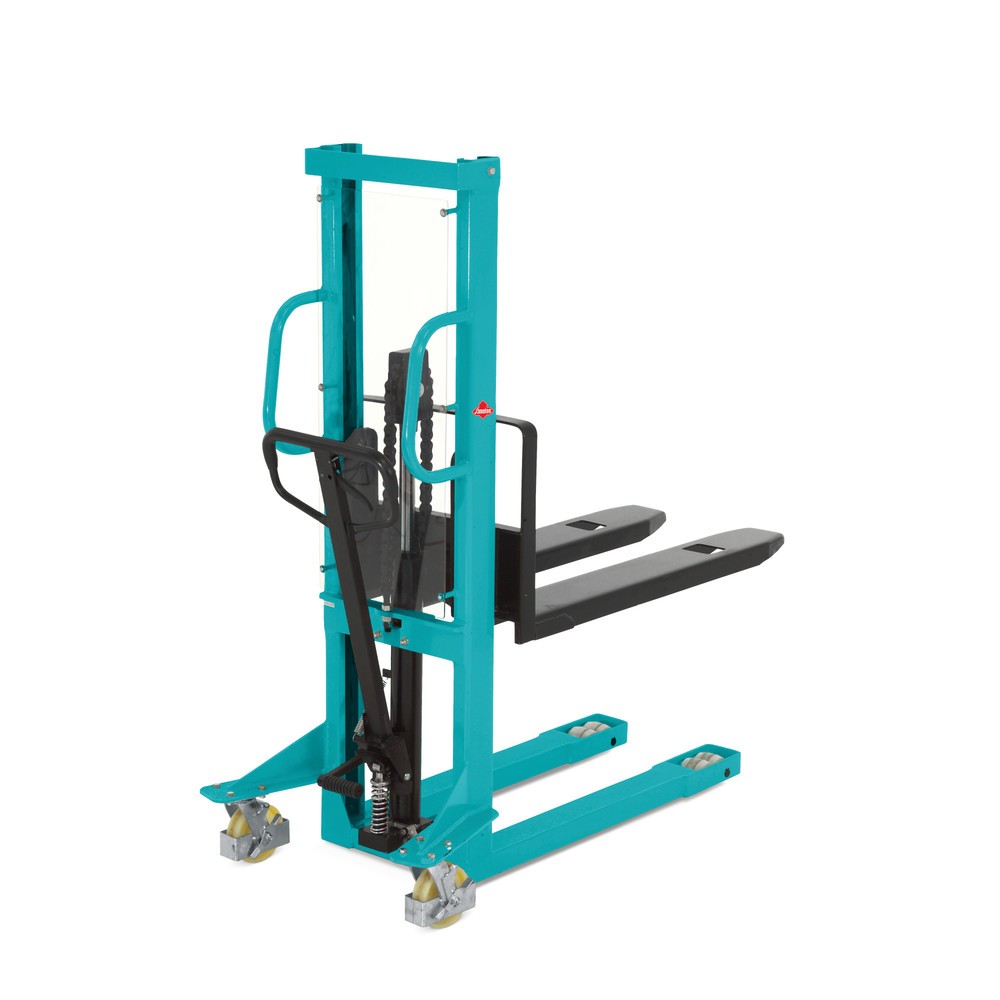
- Hydraulic lifting via tiller or foot pedal
- High-performance hydraulic pump made from high-strength steel
- Overload valve for long service life
8 Working days
- Hydraulic lifting via tiller or foot pedal
- High-performance hydraulic pump made from high-strength steel
- Overload valve for long service life
8 Working days
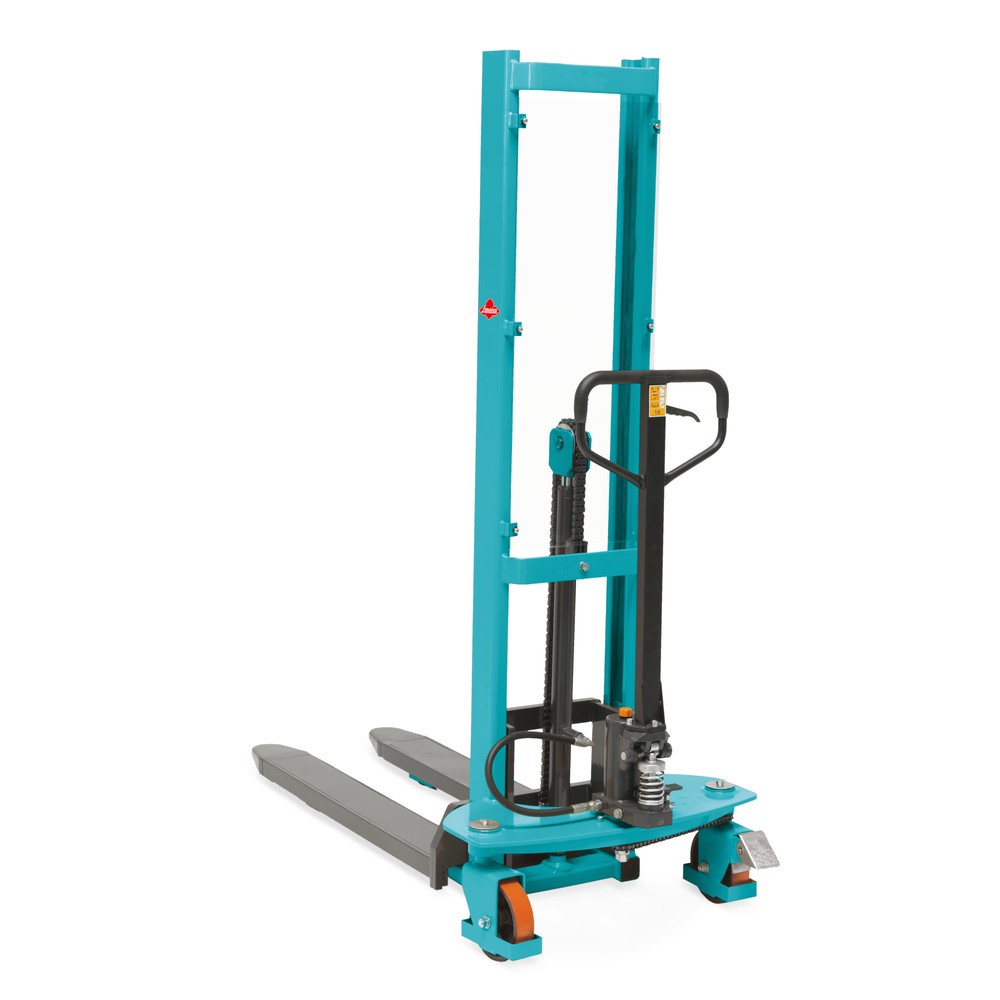
- Automatic quick lift (up to 100 kg)
- Single mast with 1600 mm lift height
- Small turning circle thanks to compact dimensions
8 Working days
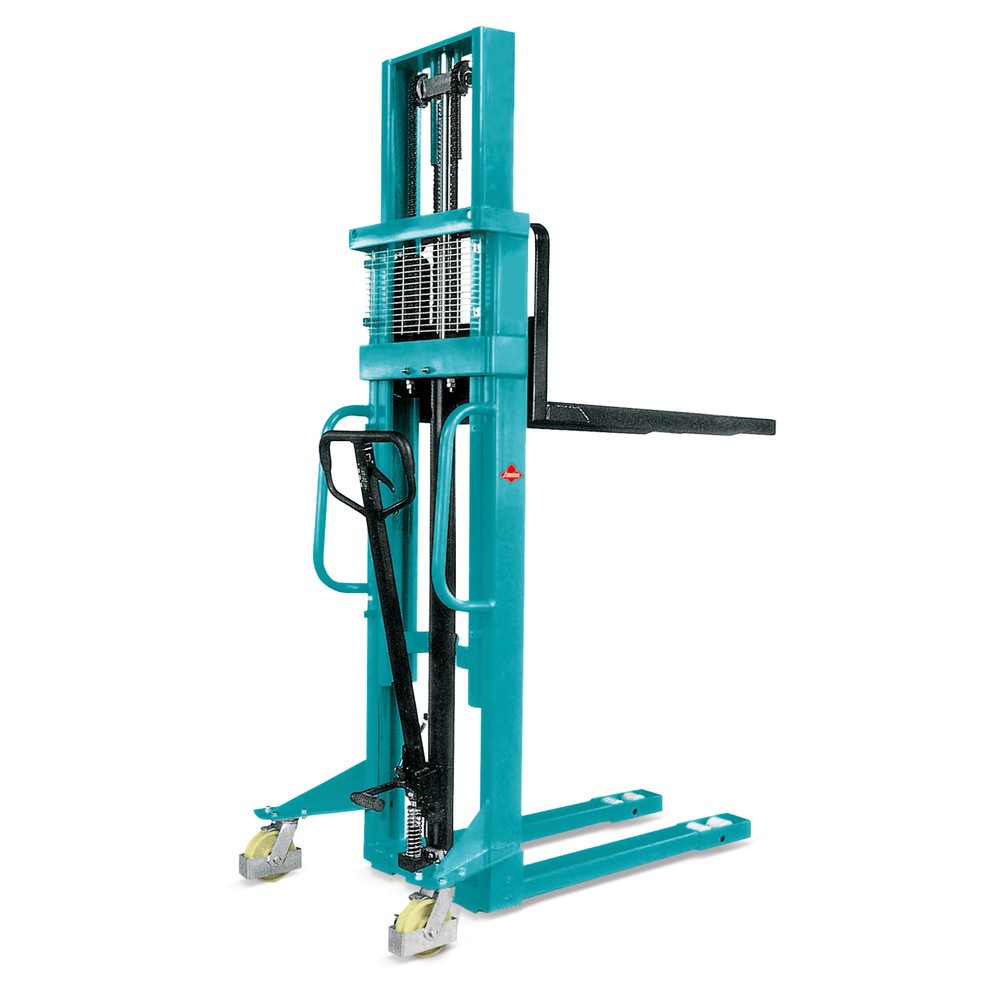
- Hydraulic lifting via reinforced tiller or foot pedal
- High-performance hydraulic pump made from high-strength steel
- Overload protection for long service life
8 Working days
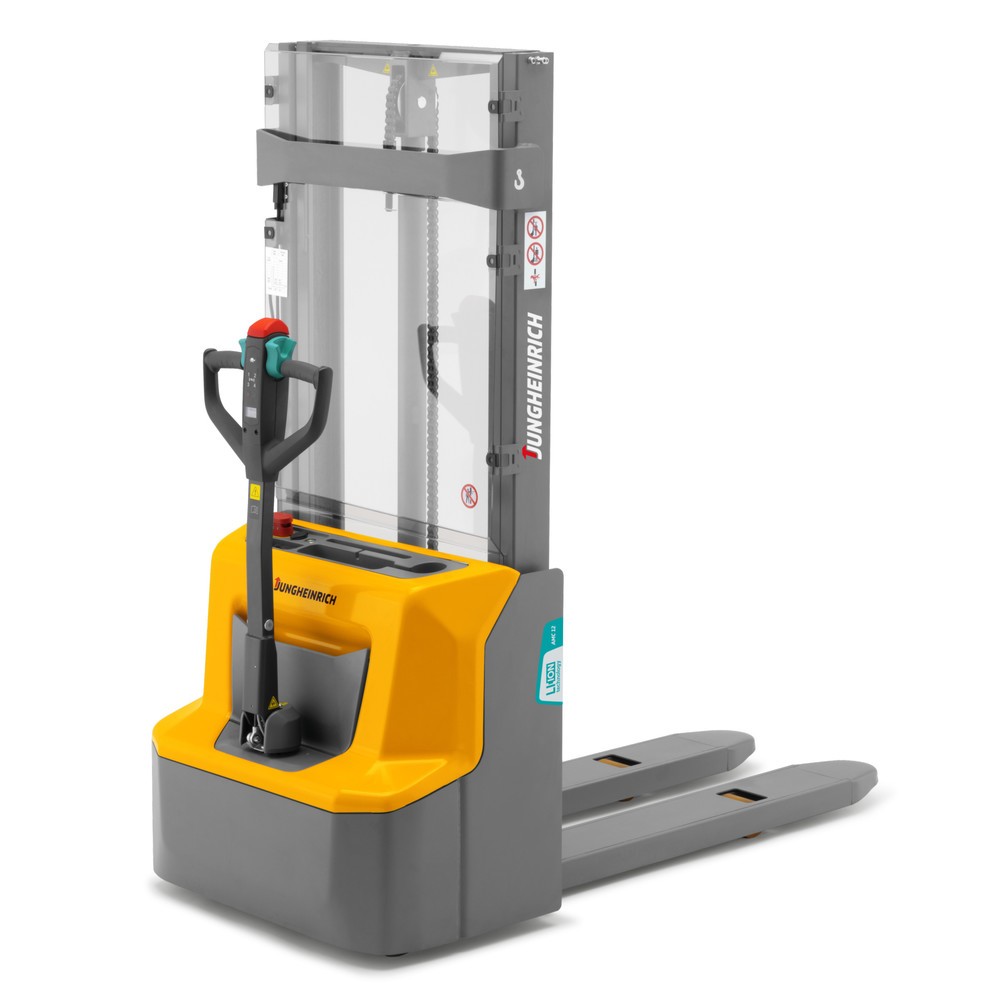
- 1200 kg load capacity
- 4 lift heights available (2600, 2900, 3200, 3600 mm)
- Maintenance-free lithium-ion battery
10 Working days
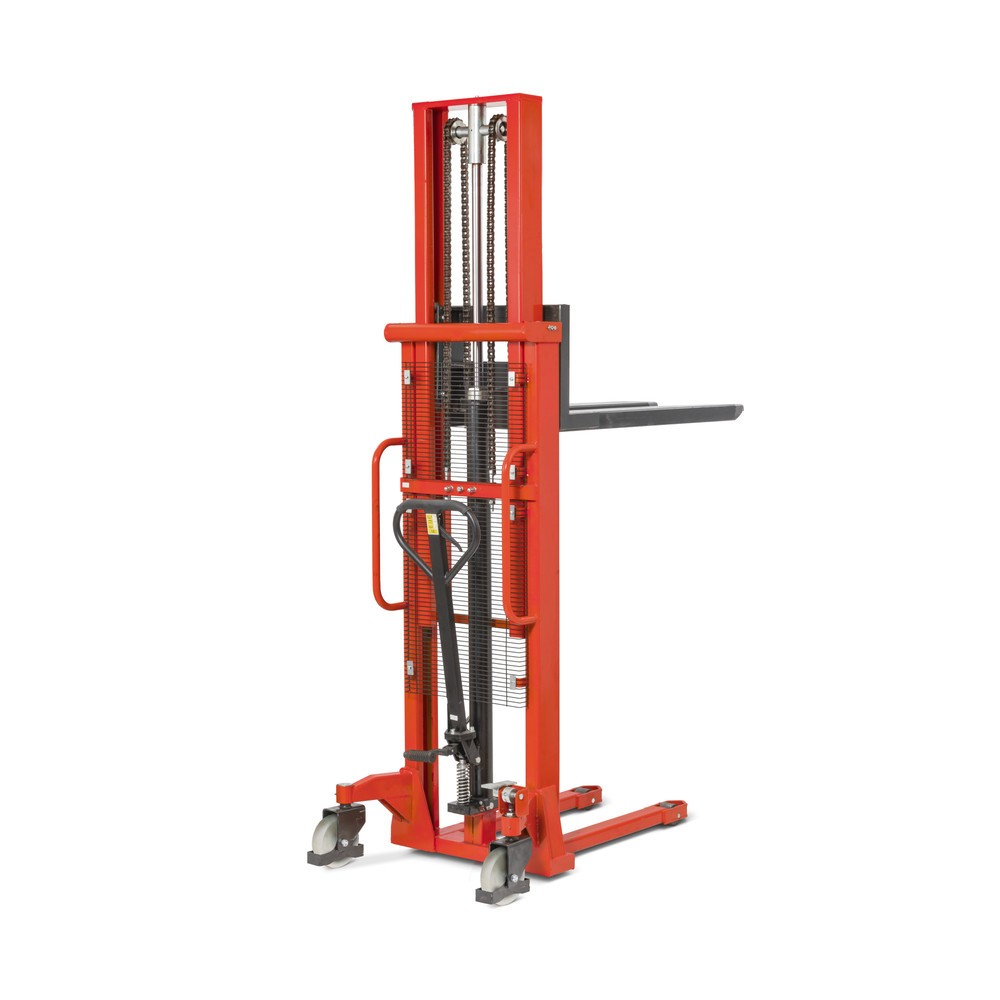
- Low-maintenance and highly robust
- Loads can be raised via the tiller or foot pedal
- Rubberised tiller handle
8 Working days
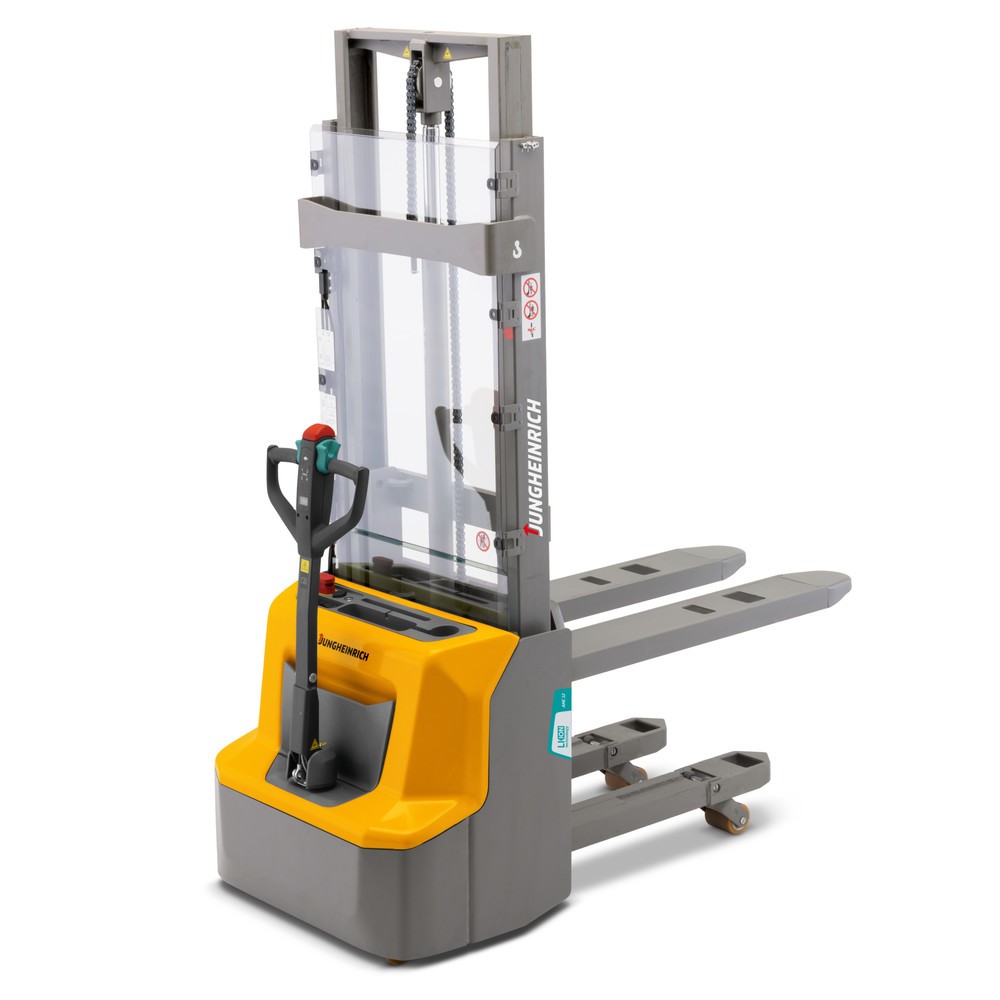
- 1,200 kg load capacity
- Initial lift for increased ground clearance on loading ramps
- Maintenance-free lithium-ion battery
10 Working days
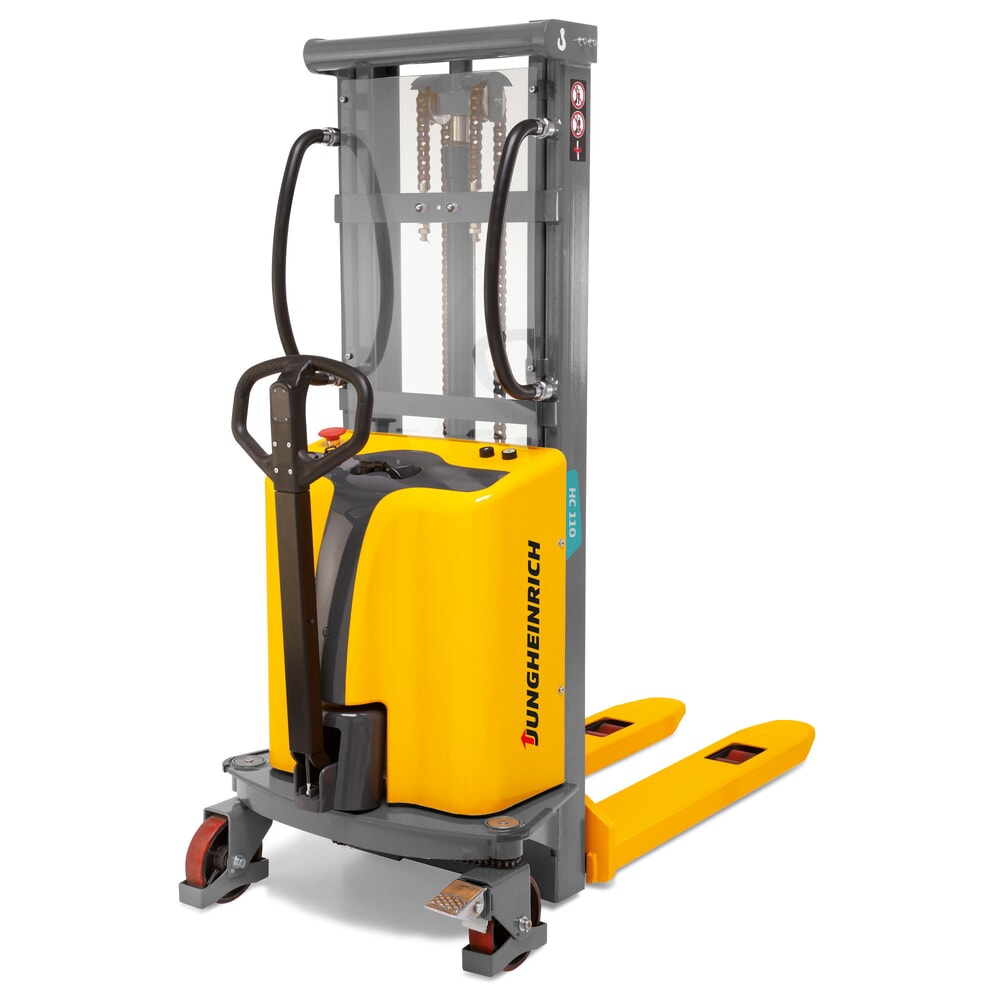
- Manual transport of up to 1,000 kg for cost-effective applications
- Lift height of up to 3,000 mm with two-stage telescopic mast
- Electro-hydraulic lift control for precise positioning
10 Working days
- Manual transport of up to 1,000 kg for cost-effective applications
- Lift height up to 1,600 mm with single mast
- Electro-hydraulic lift control for precise positioning
10 Working days
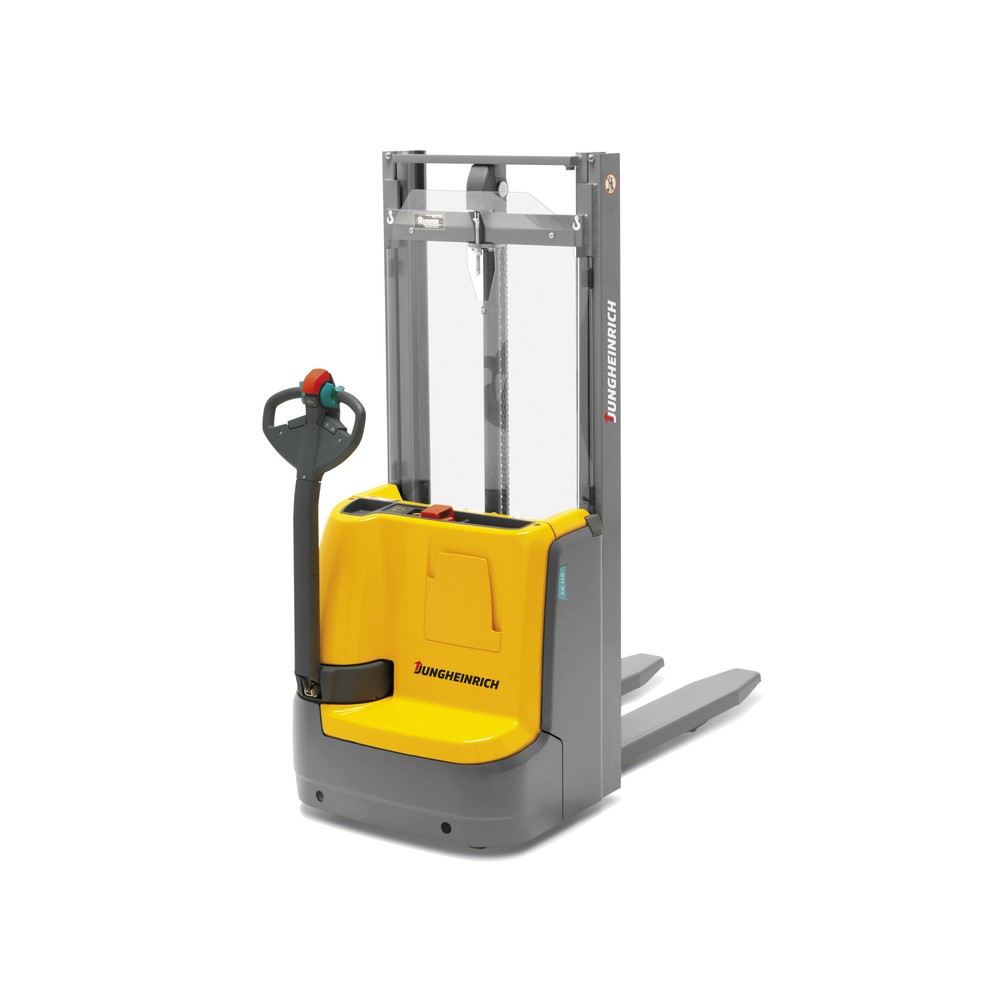
- Premium quality – "Made in Germany"
- Powerful and maintenance-free three-phase AC drive motor
- Proportional hydraulics for precision lifting and lowering
55 Working days
- Premium quality – "Made in Germany"
- Powerful and maintenance-free three-phase AC drive motor
- Proportional hydraulics for precision lifting and lowering
55 Working days
- Premium quality – "Made in Germany"
- Powerful and maintenance-free three-phase AC drive motor
- Proportional hydraulics for precision lifting and lowering
55 Working days
- Premium quality – "Made in Germany"
- Powerful and maintenance-free three-phase AC drive motor
- Proportional hydraulics for precision lifting and lowering
55 Working days
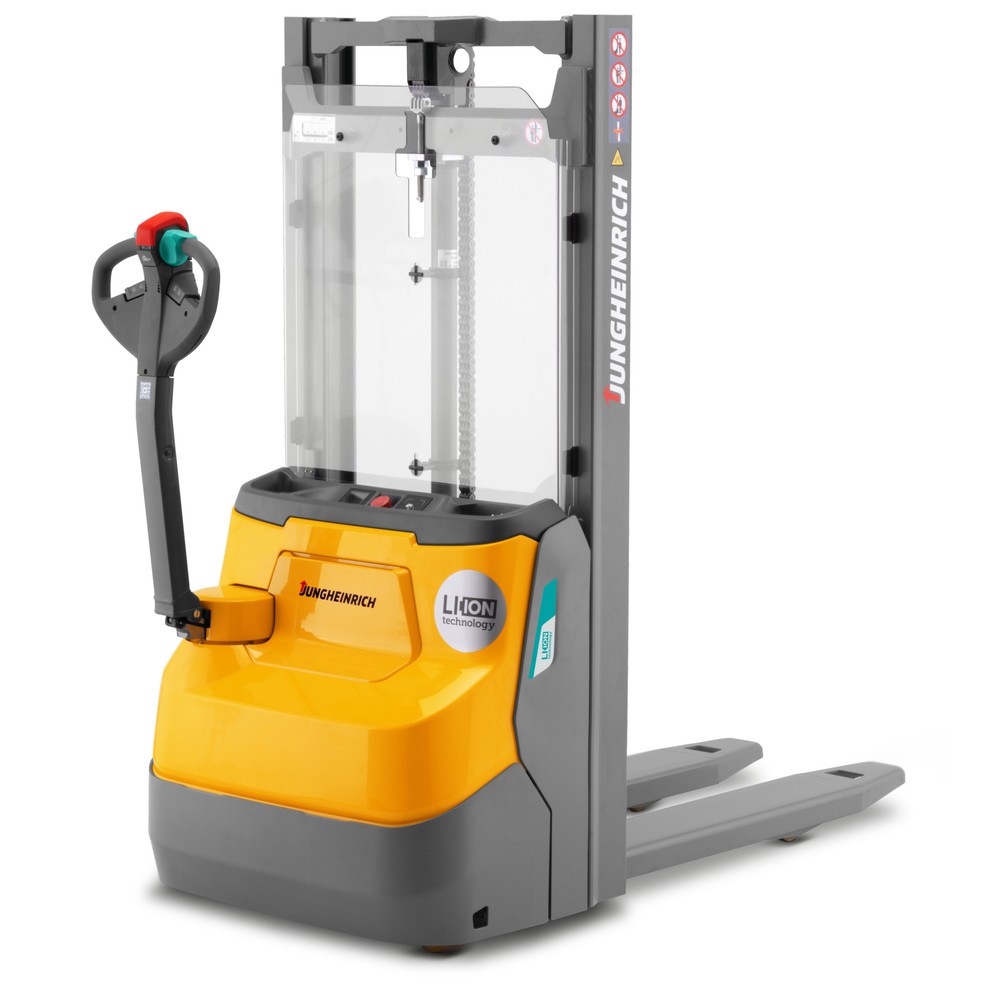
- Premium quality "Made in Germany"
- 1,000 kg load capacity
- 7 different lift heights available (2,300, 2,500, 2,700, 2,900, 3,200, 3,600 and 3,900 mm)
50 Working days
- Premium quality "Made in Germany"
- 1,000 kg load capacity
- 6 different lift heights available (2,300, 2,500, 2,900, 3,200, 3,600 and 3,900 mm)
50 Working days
- Premium quality "Made in Germany"
- 1,000 kg load capacity
- 2 different lift heights available (4,090 and 4,300 mm)
50 Working days
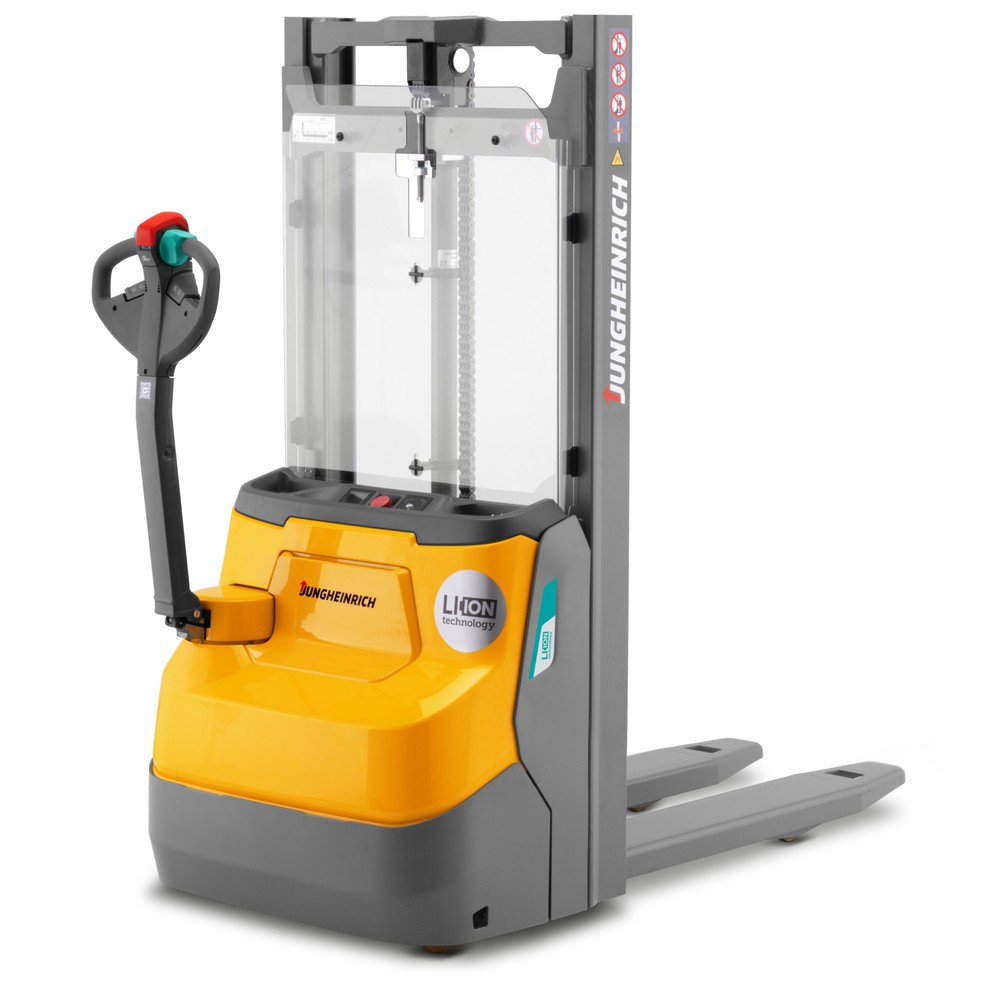
- Premium quality "Made in Germany"
- 1,200 kg load capacity
- 9 different lift heights (2,300, 2,500, 2,700, 2,900, 3,200, 3,600, 3,900, 4,100 and 4,300 mm)
50 Working days
- Premium quality "Made in Germany"
- 1,200 kg load capacity
- 6 different lift heights available (2,300, 2,500, 2,900, 3,200, 3,600 and 3,900 mm)
50 Working days
- Premium quality "Made in Germany"
- 1,200 kg load capacity
- 3 different lift heights available (4,090, 4,300 and 4,700 mm)
50 Working days
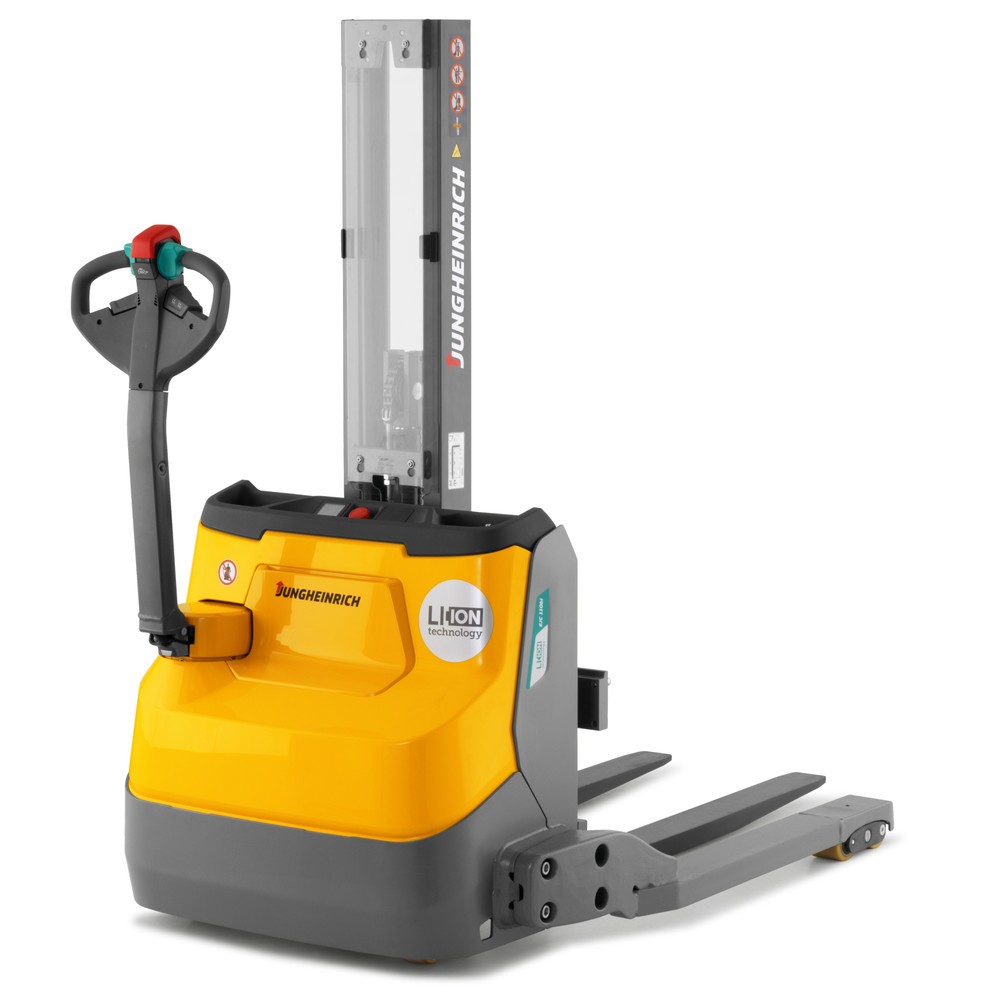
- Premium quality "Made in Germany"
- Wide-track version for closed pallets and special load carriers
- Fork arms individually adjustable
50 Working days
Stacker trucks for businesses, warehouses, and logistics
Stacker trucks transport pallets and other loads that have to be lifted from below not only from one place to another, but also vertically. Depending on the model, manual or electric stacker trucks are also suitable for loading and unloading trucks and for storing and retrieving goods in warehouse racks. In our buyer's guide, we will give you more information about the advantages of the different types of stacker trucks, helping you to find the right product for your needs.
- What is a stacker truck and how does it differ from a forklift or pallet truck?
- How to choose the right stacker truck
- Choose the stacker truck best suited for your planned use needs
- Drive: Essential for operating comfort
- Purchase a stacker truck with sufficient lift height
- Consider the rated capacity (load capacity) of your stacker truck
- Find a stacker truck suitable for your load
- Choose your tyre materials
- Pedestrian or ride-on operation
- Customised equipment options for your stacker truck
- FAQs for stacker trucks
1. What is a stacker truck and how does it differ from a forklift or pallet truck?
Stacker trucks are wheel-assisted industrial trucks that not only transport goods horizontally but also store and retrieve them at heights of several metres. In contrast, pallet trucks can only lift loads off the ground high enough to transport them horizontally.
For vertical transport, stacker trucks are available with several types of masts, which in turn offer different lifting capacities and maximum lifting heights. In contrast to forklifts, stacker trucks do not need a counterweight to lift loads, as the load's centre of gravity is located inside the wheelbase. This makes them very manoeuvrable and enables work in warehouses with narrow working aisle widths.
The stacker trucks in our range are designed for pedestrian operation. The driving and lifting functions, as well as manoeuvring and braking, are controlled via the ergonomically designed tiller head. Stacker trucks are therefore also known as pedestrian stackers. Electric stacker trucks are also available, with models that offer ride-on operation and combined pedestrian and ride-on operation.
2. How to choose the right stacker truck
To find the right stacker truck for your needs, you need to determine the requirements of your working environment. The best way to create a detailed requirements profile is by answering the following questions:
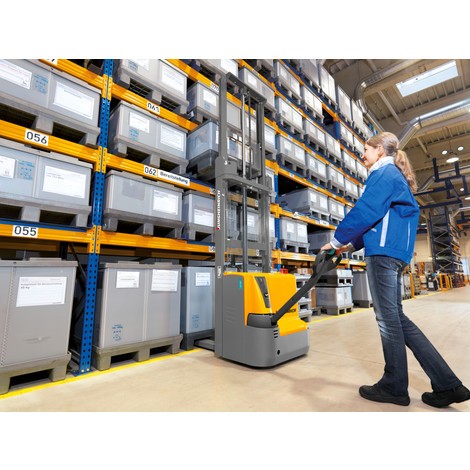
- Where will the pallet stacker truck be used most often?
- What tasks will the truck perform?
- Which drive type is required for the driving and lifting function of the truck?
- At what heights do your goods have to be stored and retrieved?
- What is the maximum load weight that the truck will need to carry?
- What fork length and width is required?
- What type of load will be moved with the truck?
- Which tyre configuration is suitable for the surfaces that the truck will traverse?
- Do your storage areas have any distinctive features that should be considered?
You can also use the following selection parameters to determine which truck is right for your needs.
3. Choose the stacker truck best suited for your planned use needs
In general, stacker trucks are ideal for indoor use. They operate emission-free and can be moved easily on flat, smooth floors. Depending on the area of use, several types of pallet stacker trucks may be suitable, as you can see from the table below.
| Use | Examples | Suitable stacker |
|---|---|---|
|
|
|
|
|
|
|
|
|
|
|
|
|
|
|
|
|
|
|
|
|
|
|
|
4. Drive: Essential for operating comfort
The drive determines the way a manual or electric stacker truck is operated during horizontal transport, vertical stacking, and retrieval.
Manual stacker truck: Hydraulic stackers
Manual stacker trucks are operated solely by physical strength and force. A hydraulic pallet truck is moved manually, with the lifting work being supported by the foot-operated hydraulic pump or pump strokes with a drawbar – manual pumping activates the hydraulic pump, and power is transmitted by means of a hydraulic cylinder with linear movement. The hydraulic lift is also infinitely adjustable.
Our compact and manoeuvrable hydraulic stacker trucks are specially designed for narrow warehouse aisles. They can be used to transport and stack loads weighing up to approximately 1500kg, transport them over short distances and store them at heights of up to 3000m.
This video shows you the main differences between hydraulic and electric trucks:
Electric stacker trucks
Are your daily work requirements greater, the transport distances longer or the work intervals more intensive than the average workload? Then our electric stacker trucks are the right choice for you. Thanks to their range of functions and performance, these pedestrian stackers are more efficient than manual stackers. Depending on the model, electric stacker trucks have one or two motors:
- Semi-electric drive: Semi-electrically operated stacker trucks are more suitable for short distances, as the battery only assists with the lifting work. Loads are raised and lowered electrically in a power-saving manner using a powerful lift motor and the manual pumping work on the tiller or pedal is eliminated. However, the stacker truck travels non-electrically. These models are suitable for occasional stacking operations up to 3000mm lift height.
- Fully electric drive: Stacker trucks with fully electric drive have both lift and travel motors. The travel motor handles forward and reverse movement of the truck, allowing it to be moved easily and with minimal effort. Loads are also raised and lowered electrically for maximum convenience. We recommend fully electric stacker trucks if you have to traverse longer transport distances and undertake continuous lifting processes, or if you will be stacking and unstacking loads at great heights up to 4790mm.
The electric motors in both fully electric and semi-electric stacker trucks run via a battery. The operating time of the trucks depends on the battery performance, and the battery must be recharged regularly to ensure the truck runs. If your truck uses a lead-acid battery, the demineralised water must also be topped up regularly.
5. Purchase a stacker truck with sufficient lift height
One of the most important selection criteria for a stacker truck is the lifting height. This determines the maximum height to which you can lift pallets and other loads. When using stacker trucks indoors, however, there are other parameters to consider, including the following:
| Parameter | Meaning |
|---|---|
| Lifting mast overall height |
The overall height is the maximum height of an industrial truck measured from the ground. However, it can change for industrial trucks with high lift equipment - depending on whether the mast is retracted or extended. |
| Maximum lift height |
This is the measure of the greatest possible distance from the ground to the highest position of the load handling attachment (e.g. the top edge of the fork or platform) when the load carrier is raised. |
| Free lift |
This refers to the lifting height to which the load handling attachment can move without changing the overall height of the mast. The free lift function is ideal when low doorways have to be taken into account or when stacking has to be carried out at low ceiling heights, e.g. in containers, closed railway goods wagons or basements. |
Stacker trucks in our range are available with different mast types, but the functional principle is the same for all models. The lift carriage with the fork and the load is moved vertically within the stand mast or lift mast by a motor (semi- and fully electric stackers), or hydraulically (hydraulic stackers). On some models, the mast can be telescopically extended two or even three times, reaching much higher storage spaces without restricting mobility in lower working areas.
You can find more information on this in our guide to different mast types.
6. Consider the rated capacity (load capacity) of your stacker truck
The weight-specific limit with which a pallet stacker can be loaded is referred to as the load capacity or rated capacity. This must not be exceeded in order to not overload the load-bearing parts of the truck and jeopardise safe handling. The load capacity diagram, which can be seen on electric and hydraulic stacker trucks, shows how the rated load capacity depends on the lifting height and centre of gravity of the load.
The residual load capacity must also be considered. If, for example, attachments are used on the stacker truck, the general load capacity is reduced because the load centre of gravity also changes. You can find more information in our guide to the carrying capacity for industrial trucks.
7. Find a stacker truck suitable for your load
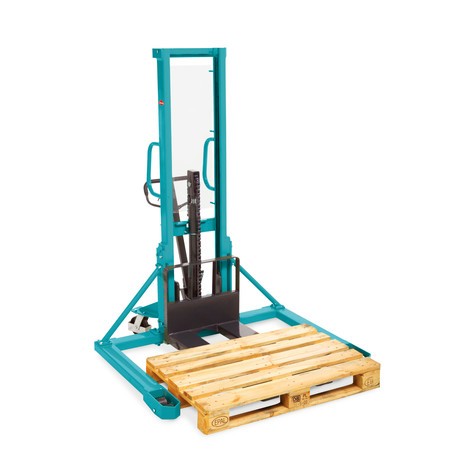
All stacker trucks available in our range are suitable for picking up standard Euro pallets. Pallets in custom sizes can also be picked up with our wide-gauge electric and hydraulic stacker trucks. With pallet stackers in a wide-gauge design, it is also possible to pick up Euro pallets crossways. The special feature here is that the wide-track truck drives underneath the load unit when picking up the load thanks to the laterally extended wheel arms and the forks that can be lowered to the ground. This allows you to pick up Euro pallets or even closed pallets.
In addition, these trucks can also be used to move boxes, crates or mesh trolleys, as well as collection trays that have pockets suitable for industrial trucks. We also offer trucks with proportional hydraulics to ensure that delicate goods do not get damaged during loading and unloading. These are integrated into the tiller.
8. Choose your tyre materials
All our Jungheinrich stacker trucks have a four-point chassis.
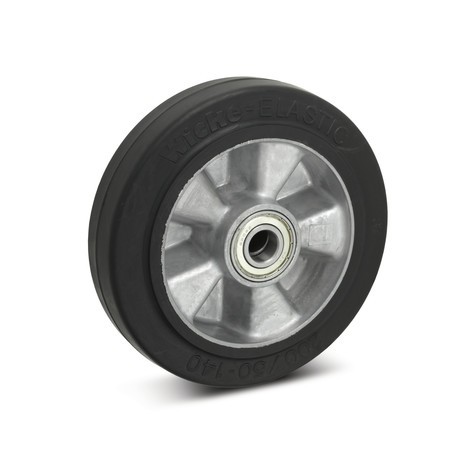
- Manual trucks always have two swivel wheels and are equipped with single or tandem load rollers. Tandem rollers are particularly suitable for uneven floors or for overcoming speed bumps in your warehouse. They also do not wear as quickly as single fork rollers and can stabilise the load better.
- Electric stacker trucks have a drive wheel, a support wheel and single or tandem load rollers.
The castor material most suitable for your pallet stacker truck depends on the operating and physical conditions of the working environment. Factors to consider include:
- Load capacity of the floor
- Floor condition (paved/unpaved, degree of contamination, floor covering)
- Slope of the floor
- Noise level
- Hygiene requirements
- Climatic conditions
- Starting and rolling resistance
- Impact load
- Environmental influences such as chemicals, oils, or moisture
- Ambient temperature
- Electrical conductivity requirements
| Tyre material | Field of application | Properties |
|---|---|---|
| Nylon |
|
|
| Polyurethane |
|
|
9. Pedestrian or ride-on operation
We stock stacker trucks that are designed for pedestrian operation. However, models with ride-on operation are also available on request.
- Stacker truck for pedestrian operation: With all pedestrian models, the truck is controlled via an ergonomic multi-function tiller. This allows you to comfortably control the transport speed, steering, lifting and lowering, while accompanying the truck on foot.
- Stacker truck with combined pedestrian/passenger operation: With these models, the driver can comfortably ride along on a fold-out platform, making them suitable for use on longer routes. Additional grab rails provide further safety. However, you may need a licence to operate these types of trucks with platforms. These models are only available on request.
- Stacker truck with driver's platform: On request, we can supply vehicles with an integrated driver's platform where the driver can sit or stand. If the truck reaches speeds of more than 6km/h, you may need a forklift licence to operate it.
10. Customised equipment options for your stacker truck
In addition to our wide selection of stacker trucks in our standard range, we also offer the option of adding additional customised features. These include, for example, display screens, organiser functions or special drive wheels. Many other designs are also available as part of our customised construction service. Our expert advisors will be happy to help you make your selection.
11. FAQs for stacker trucks
Unlike forklift trucks, stacker trucks do not require a counterweight, as the centre of gravity of the loads they carry is within the wheelbase. This makes them very manoeuvrable in operation and allows them to be used in warehouse aisles with narrow working widths.
When transporting loads with a stacker truck, you should always watch out for moving or tipping loads. This is especially important when driving over uneven ground or on bends. Machine operators are responsible for avoiding accidents with other people. You must ensure the stability of the load before lifting or lowering. Also, remember never to overload the stacker truck.
If your stacker truck is pedestrian operated, you do not need a forklift licence. However, employers must train all employees who will be working with industrial trucks on occupational health and safety aspects. All operators should be given the opportunity to learn the correct handling of a stacker truck and to be able to apply all safety regulations.
An exception is a pallet stacker truck that has a ride-on feature, for example in the form of a folding platform.
To prevent accidents at work, all operators of stacker trucks are required to check the vehicle before starting work. A visual inspection should include the brake system, the lifting device, wheels, and electrics. Furthermore, you should ensure that the tiller can be moved properly in all directions. Leaking fluids are also a warning sign of a defect.
In addition to a visual inspection, every truck must go through a thorough examination at least once a year according to the Lifting Operations and Lifting Equipment Regulations 1998 (LOLER). However, LOLER 98 makes it clear that depending on the type of truck and its use, inspections may need to be more frequent than this.