



- 2C adhesive, resin-based
- Adhesive and hardening agent
- For permanent bonding
7 Working days
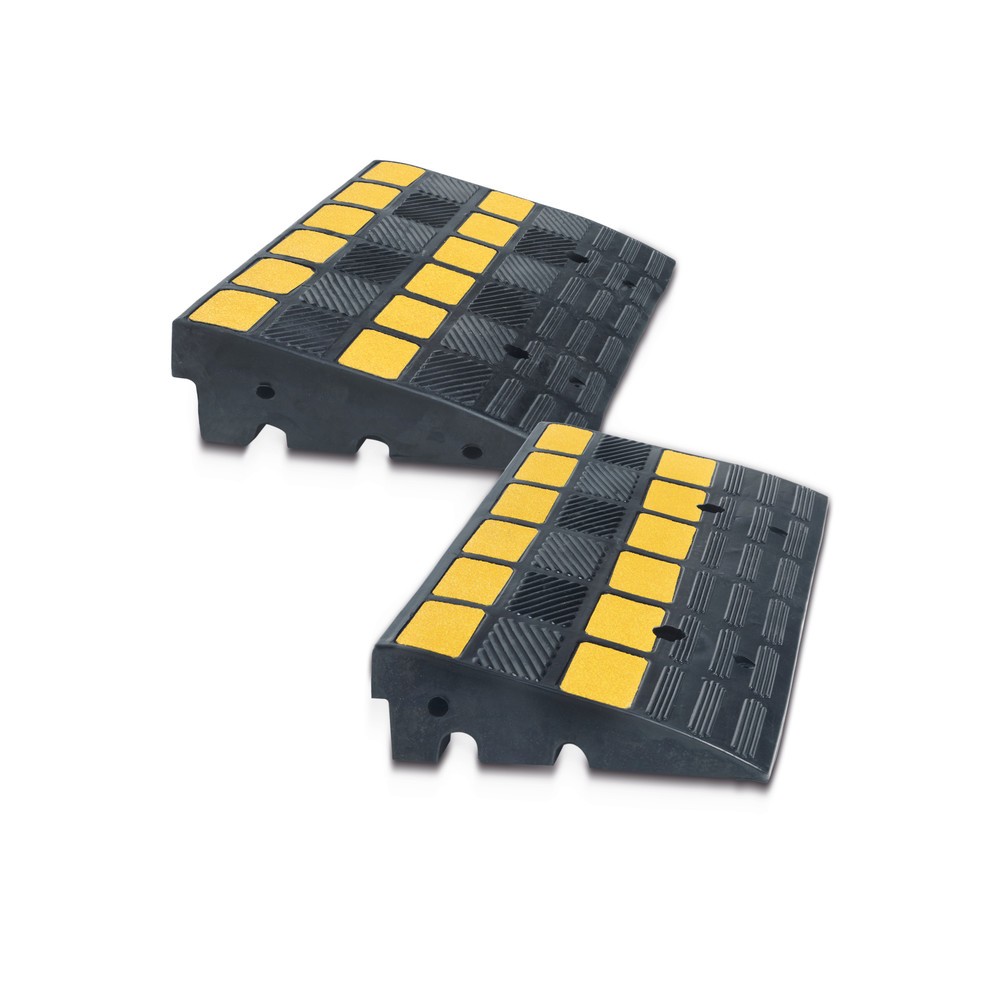
- Weather-resistant solid rubber
- Non-slip surface with load capacity up to 40 t
- Two cable cutouts
7 Working days

- Recycled rubber
- Available as a base or closure element
- Tried-and-tested non-slip profile
7 Working days
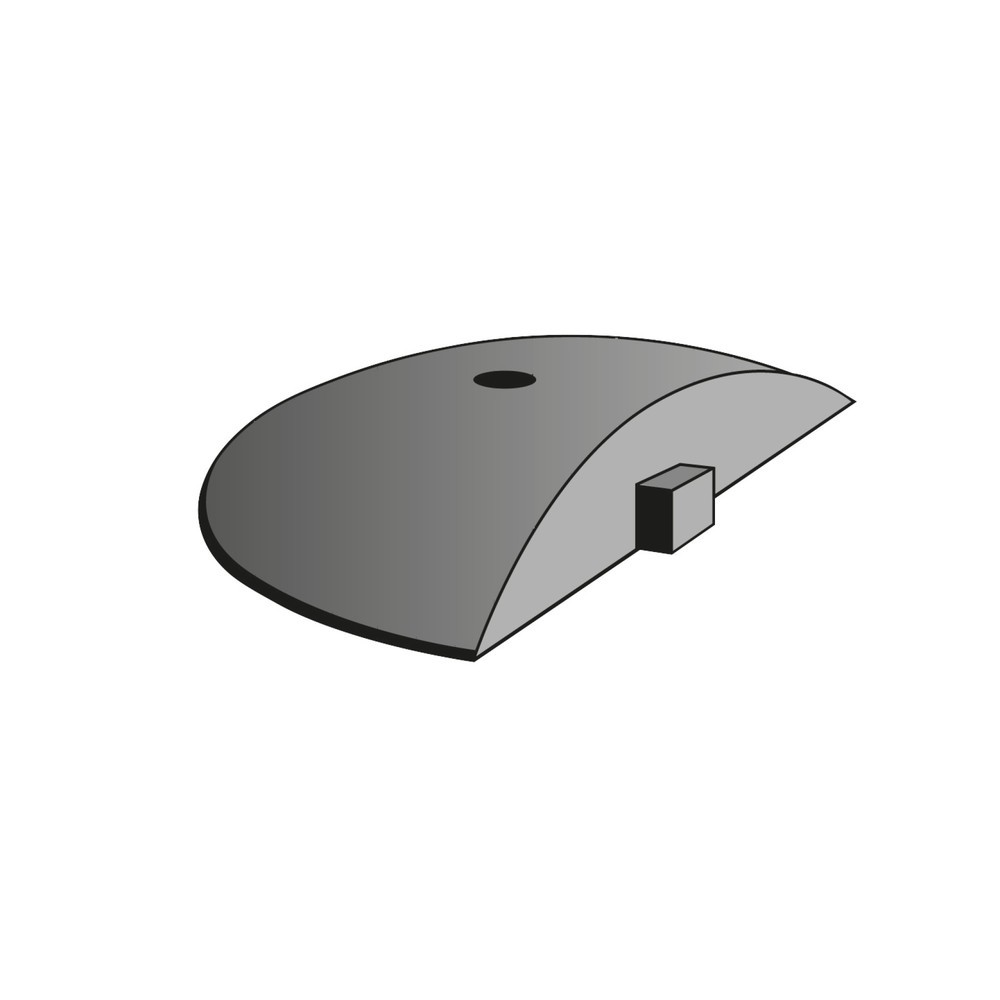
- Recycled rubber
- For speeds of 5 to 10 km/h
- Load-bearing capacity of up to 3,5 t
7 Working days
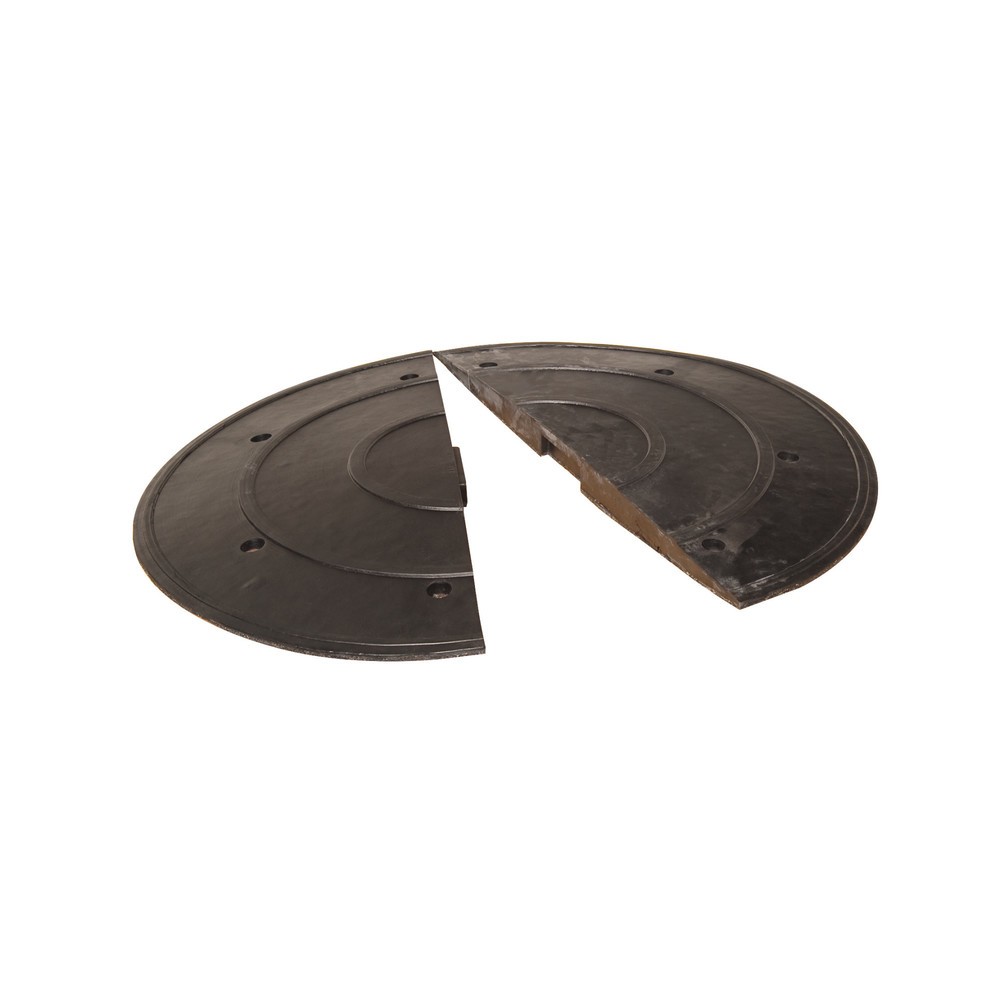
- Recycled rubber
- Available as a base or closure element
- Tried-and-tested non-slip profile
7 Working days

- Speed bump for speeds of 10 km/h or 20 km/h
- Ensure traffic calming and less traffic noise
- Rubber material protects tyres
7 Working days
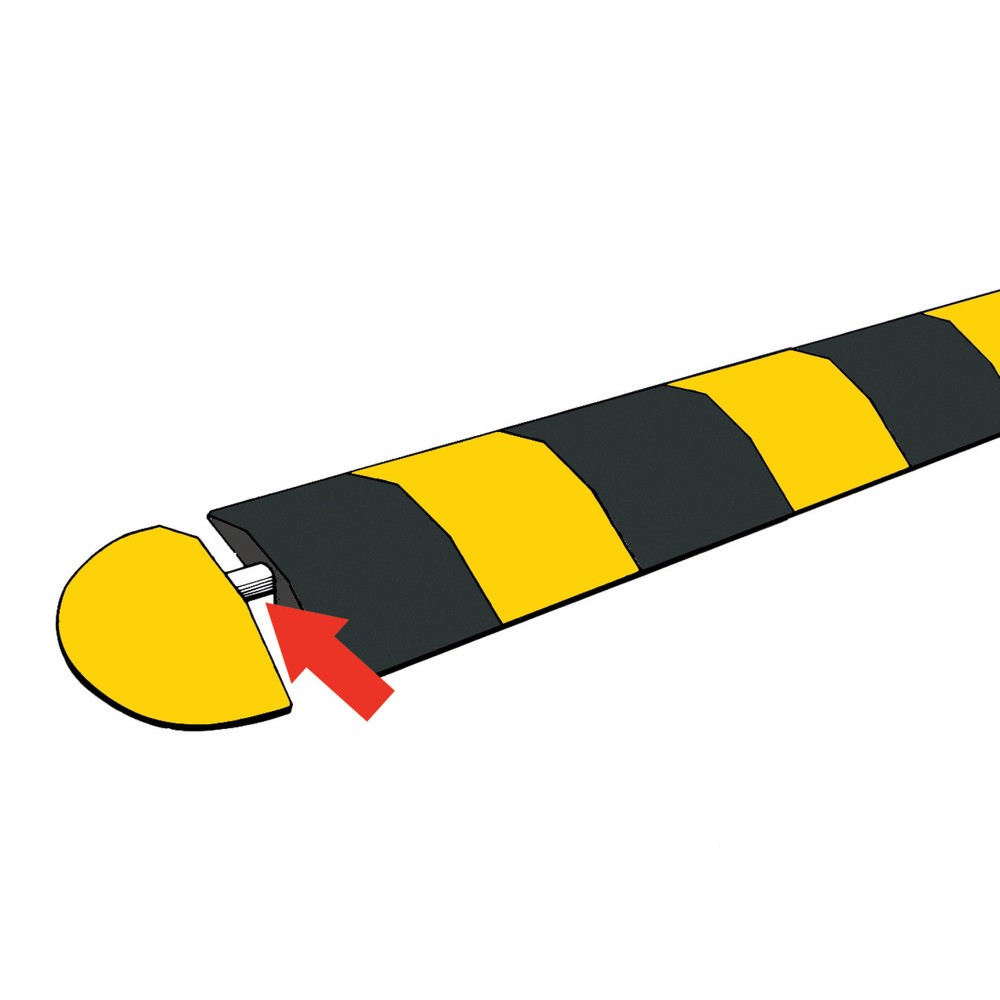
- Corrosion-resistant alignment bar with hot-dip galvanising
- From a length of 3 m division into sections
- Adjustments possible on site
7 Working days
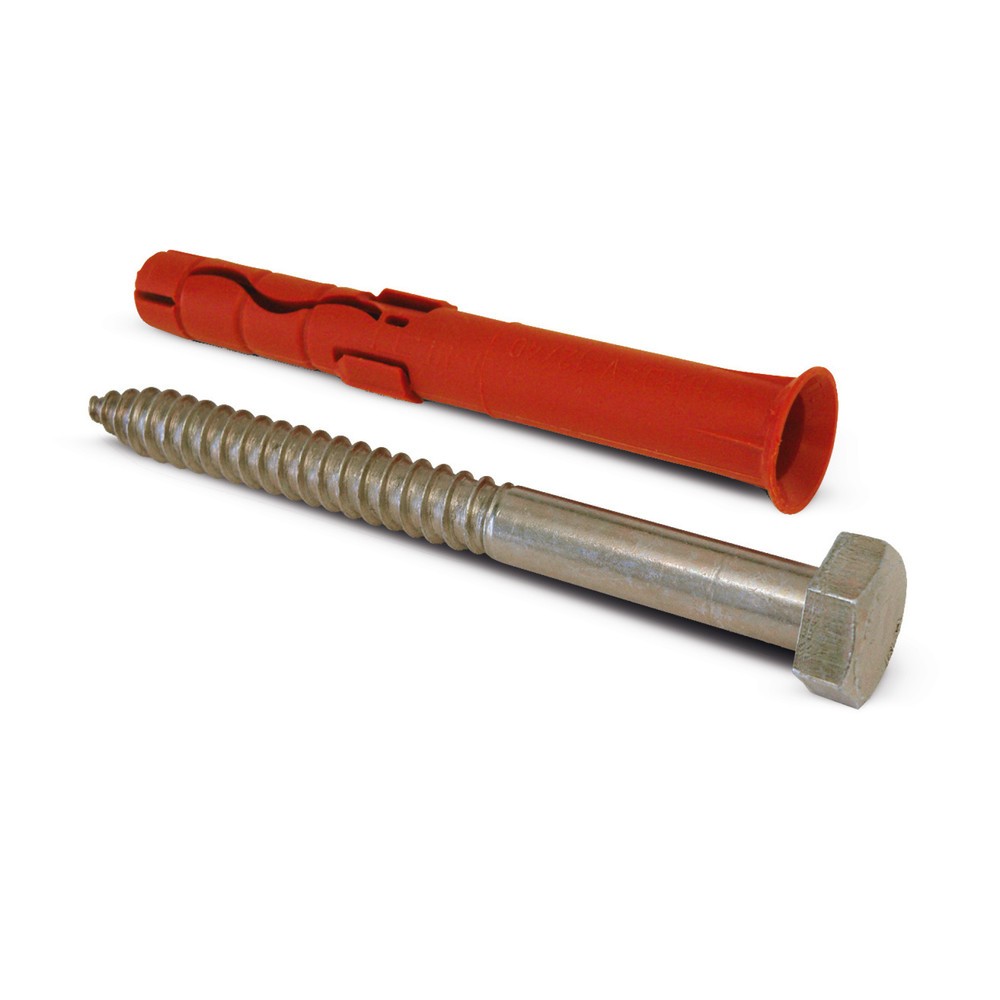
- Plastic dowel
- Hexagonal steel screw
7 Working days
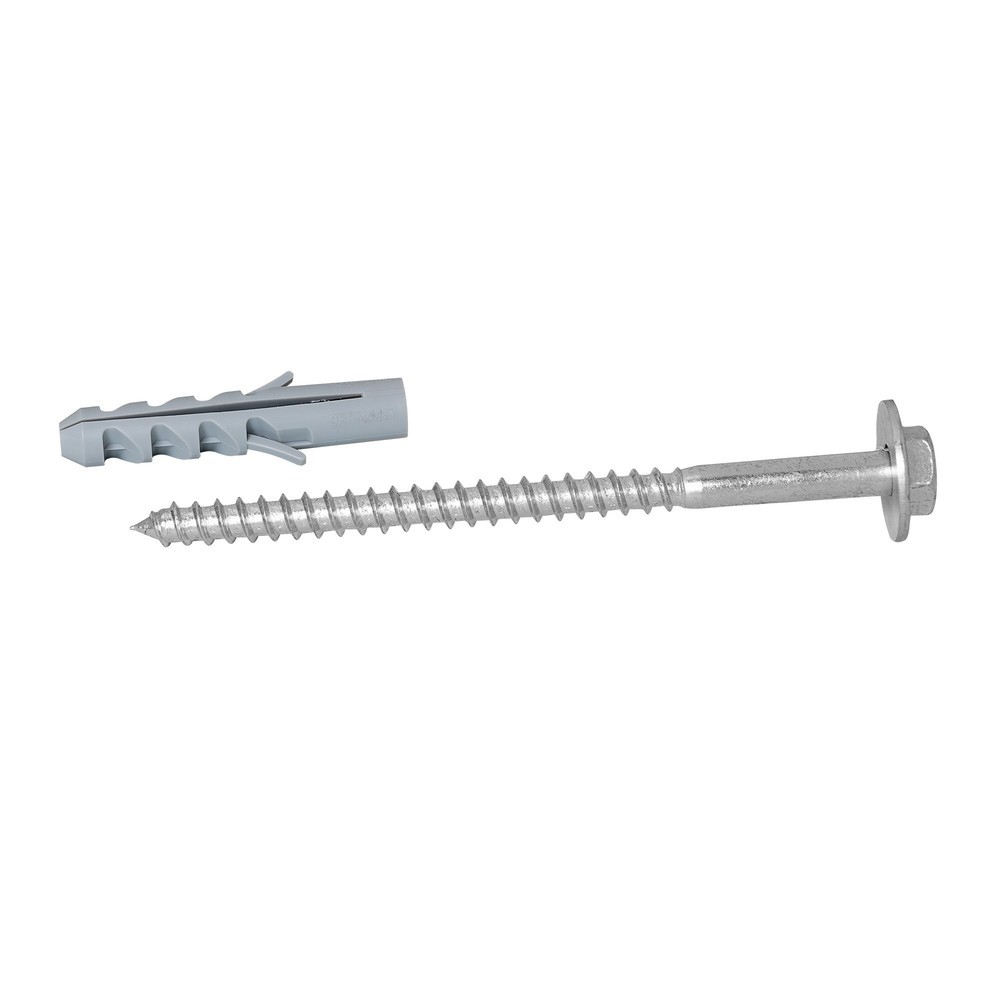
- 1 piece per sales unit
7 Working days
How to find the right speed bumps for your outdoor work area
Speed bumps regulate the driving speed of lorries and other commercial vehicles, thereby contributing significantly to the safety of guests and employees on company premises. They protect areas such as loading bays, exits or blind junctions. Speed bumps can also be used on residential and municipal roads, in public car parks or on private driveways to help protect against accidents caused by excessive driving speeds.
The products at Jungheinrich PROFISHOP feature eye-catching colours and reflectors to ensure optimum visibility at any time of day or night, even in poor weather conditions. High-quality materials such as vulcanised hard rubber make our speed bumps robust and weather resistant.
You can purchase our speed bumps either as a complete set or as individual elements that can be assembled to suit your needs.
1. Speed bumps offer the following advantages
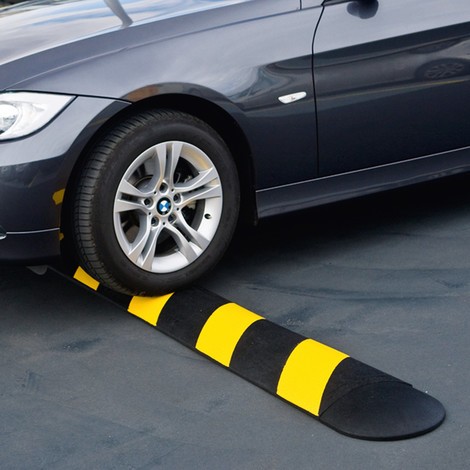
At Jungheinrich PROFISHOP, you’ll find a large selection of rubber speed bumps, each with their own benefits:
- Our speed bumps come in modules, making them quick and easy to install.
- Bright colours and reflectors provide high visibility.
- You can choose from a variety of crossing speeds (5km/h, 10km/h, 20km/h or 30km/h)
- Structured and robust design provides stability underfoot and slip resistance even in wet conditions.
- Rounded end elements protect cyclists and pedestrians.
- High-quality materials guarantee durability and weather resistance.
2. How to buy the right speed bumps
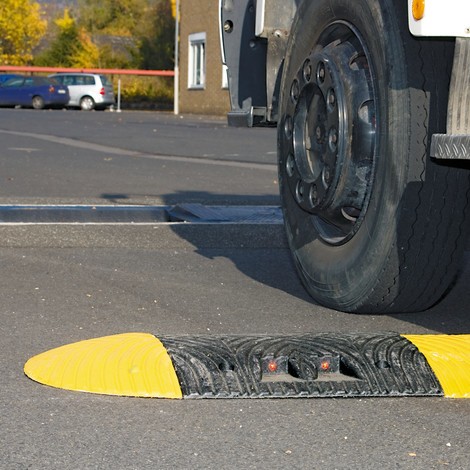
Speed bumps are used to regulate the maximum driving speed on residential streets, driveways, car parks or on company premises. The extent to which speed is reduced depends on their height:
- 75 mm: Reduces speed to approx. 5 km/h
- 55 mm: Reduces speed to approx. 10 km/h
- 45 to 50 mm: Reduces speed to approx. 20-30 km/h
- 30 to 45 mm: Reduces speed to approx. 40 km/h
You should take this into account when purchasing speed bumps. The number of basic elements determines the length of the speed bump, while two rounded end elements protect cyclists and pedestrians against falls. Thanks to the modular system, assembly is quick and easy. This also makes it possible to use them as mobile speed bumps.
Please note: Speed bumps are not suitable for covering hoses and cables. For this purpose, we offer robust cable ramps in several designs.
3. Accessories for speed bumps
To get the most out of your speed bumps, you can also buy practical accessories right here at Jungheinrich PROFISHOP:
- Road anchors for concrete and asphalt surfaces
- Hot-dip galvanised alignment rods for speed bump alignment
- Resin-based adhesive for BASIC speed bumps
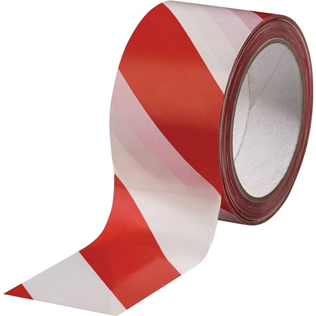
- Marking tapes and floor marking paint for measuring and marking
4. FAQs for speed bumps
When it comes to public roads and accessible car parks, any speed bumps must adhere to the Highways (Road Humps) Regulations 1999. On private land, however, the situation is different. Here, the UK government has advised private landowners to follow the guidance of their local council.
According to UK law, a speed bump cannot exceed 100 mm in height. At the other end of the scale, the minimum height is allowed to be 25 mm.
Before you start buying or installing speed bumps on public property, you must contact your local council to find out whether you require a permit or special permission. You do not need a permit for private land, but you should always obtain the landowner’s permission first.